
Climbing Lions
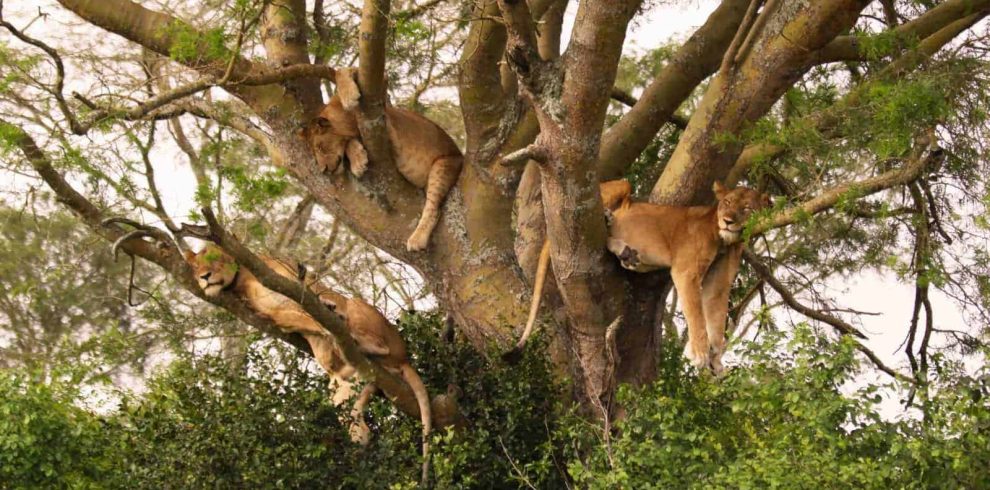
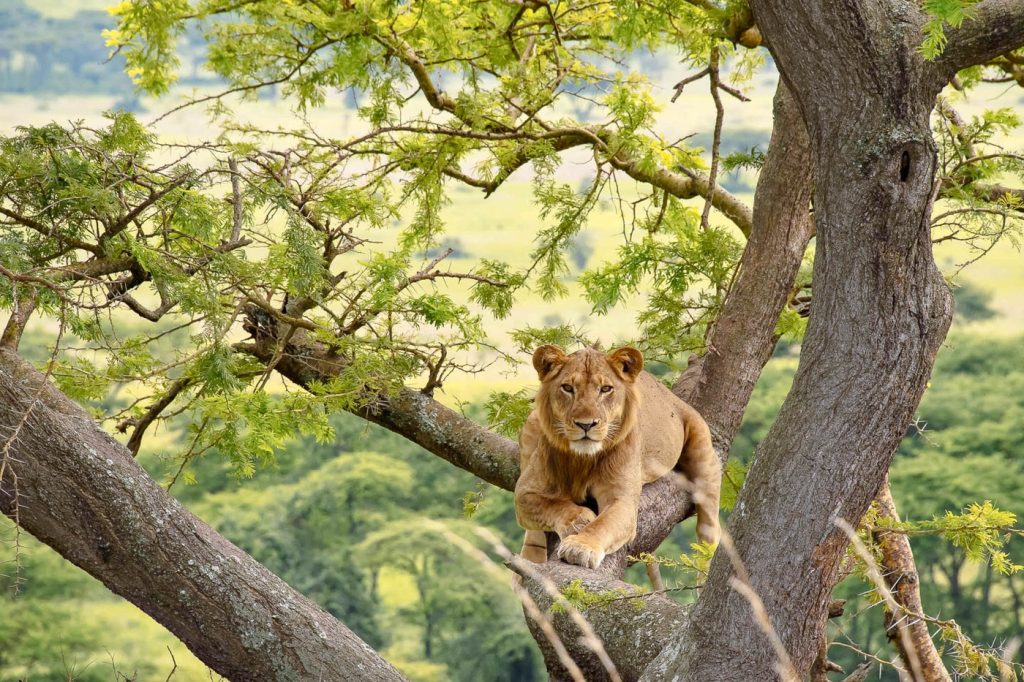
Tree Climbing Lions of Uganda
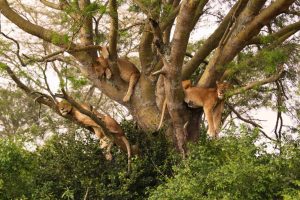 The Tree Climbing Lions in Uganda are a remarkable subset of the larger lion family, the largest cats still roaming the African wild. Notably, lions play a vital role in maintaining the delicate balance of the ecosystem. Specifically, they regulate the population of herbivores, such as buffaloes and various antelope species, ensuring a healthy and sustainable environment.
The Importance of Lions in the Ecosystem.
Moreover, lions prey on weaker and sicker animals, reducing the spread of diseases and parasites. This natural process maintains the overall health of the ecosystem. Unfortunately, the lion population in Africa has drastically declined, with only approximately 25,000 individuals remaining in the wild. Shockingly, over 1 million lions roamed Africa’s savannas just a century ago.
Threats to Lion Populations
Regrettably, human interference is the primary cause of this significant decline. As a result, lion territories have been reduced due to increased human settlement and farming. Additionally, lions have fallen victim to poaching and diseases introduced by domestic animals in their vicinity. It is essential to address these threats to ensure the long-term survival of these majestic creatures.
Featured


6 days Uganda safari takes you to Queen Elizabeth, Kibale, and Murchison Falls National Park for amazing wildlife encounters and the opportunity to spot all...
Duration
6 Days - 5 Nights
Next Departures
September 17, 2026 (Available)September 18, 2026 (Available)September 19, 2026 (Available)
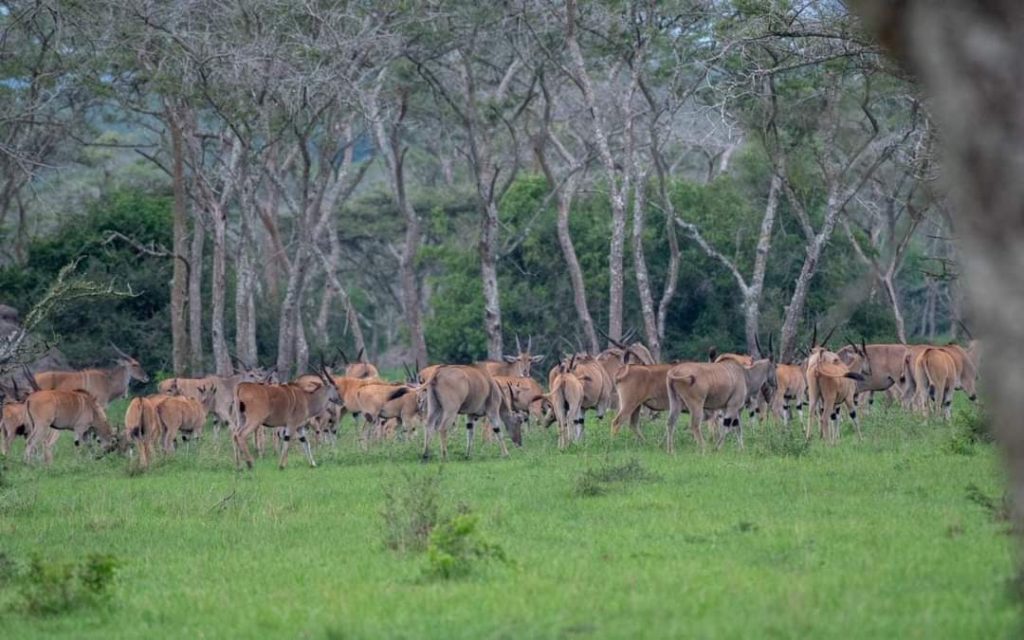
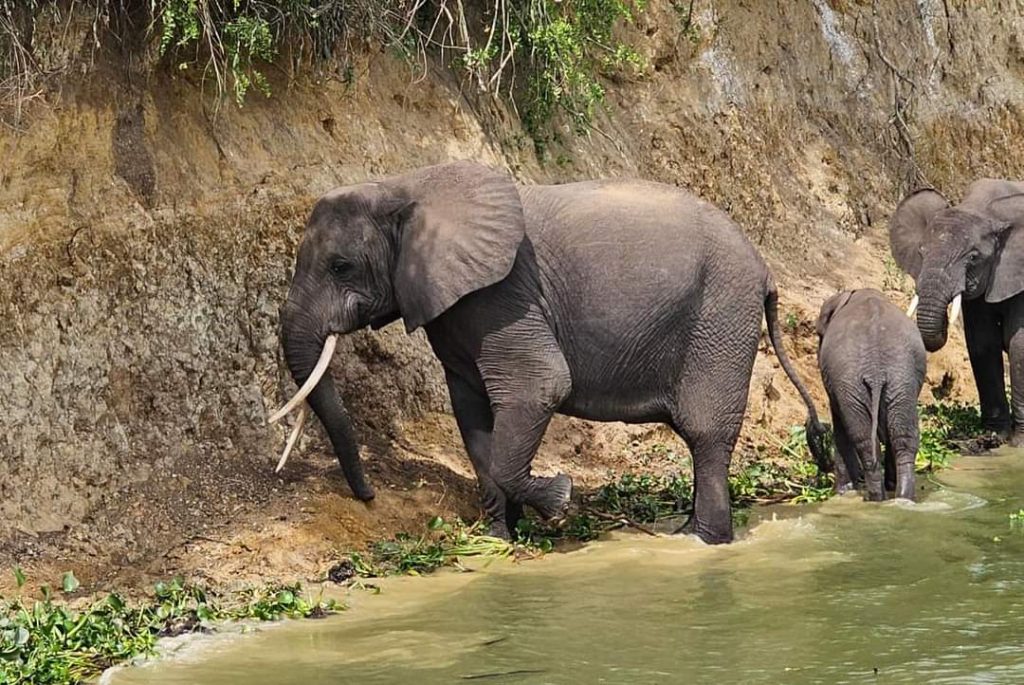
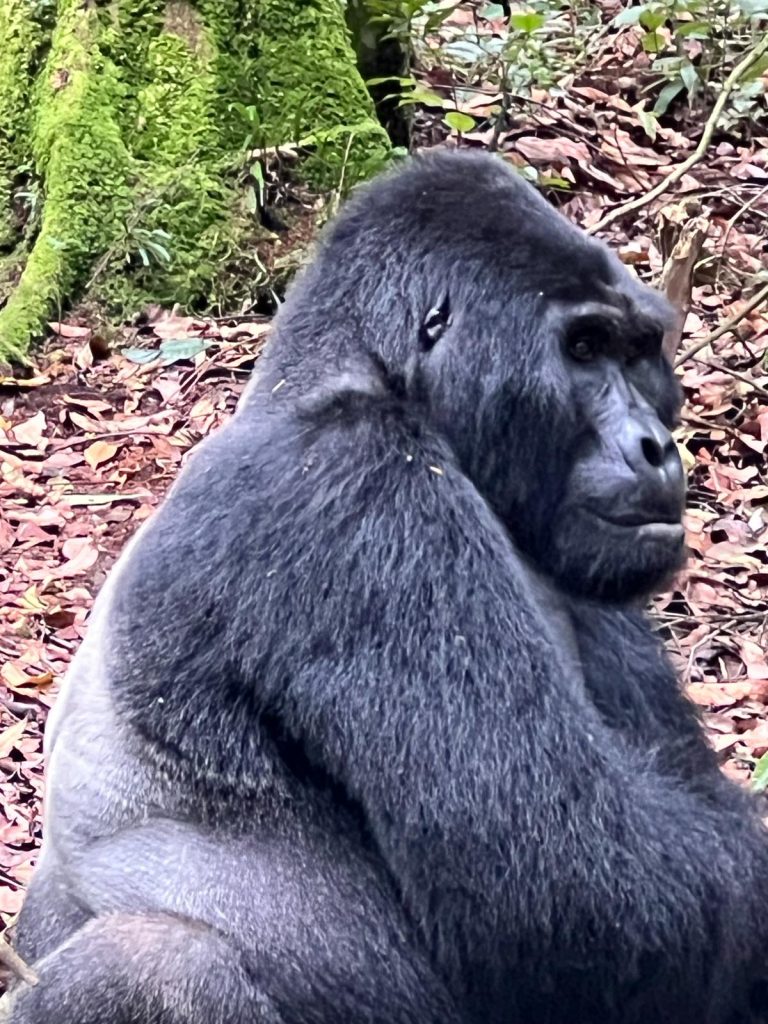
The 9 Days Uganda Wildlife Safari is a comprehensive adventure designed to explore Uganda’s most spectacular national parks and wildlife habitats. During this safari, travelers...
Duration
9 Days - 8 Nights
This 5-day safari combines wildlife viewing and primate tracking across Uganda’s most famous parks, including Queen Elizabeth National Park and Bwindi Impenetrable National Park. It...
Duration
5 Days - 4 Nights
10 Days Uganda Primates & Big5 Luxury Tour
Duration
10 Days - 9 Nights

Duration
7 Days - 6 Nights